
Christina Jenkins
Paul Leyland
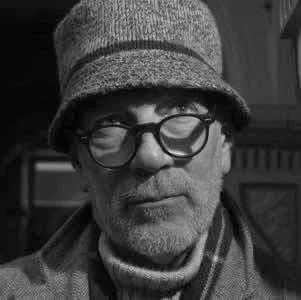
Paul is an artist, filmmaker and animator based at Greenway Studios in Somerset. He also works as a curator, community project manager and workshop facilitator.
Paul studied fine art at Winchester School of Art. In 2006 he set up Cricklepit Media Ltd – a not-for-profit media company. Alongside commercial work, the company specialised in teaching often marginalised community groups how to make films and document their lives and circumstances.
Paul has tutored at a wide variety of educational establishments including Exeter College and Regents College (Now Regents University) and runs courses in art and art history from his studio.
He has been involved as a film-maker and project manager in a wide variety of projects and exhibitions.
Royal Albert Memorial Living Here project
Paul worked as a film-maker and community project manager. the project explored the heritage of the area west of the Exe in the city of Exeter. It was seen as ground-breaking for its involvement of the community, winning awards and also a mention in parliament.
Altered Ego
The project questioned identity, who we ‘are’, our self-presentation and deceptions. This was achieved through a series of situational and photo-based experiments and interventions, which culminated in a symposium and exhibition in 2019
Journey to an Alien Planet in an in an Ill-fitting Spacesuit
Paul’s recent project, Journey to an Alien Planet …, illustrates some of the hidden disabilities that occur following a stroke. He is exploring the use of Ai to achieve this goal as can be seen in the gallery on his website.
www.paulleyland.co.uk
https://www.paulleyland.co.uk/
Peter Ojeda
Tony Homer
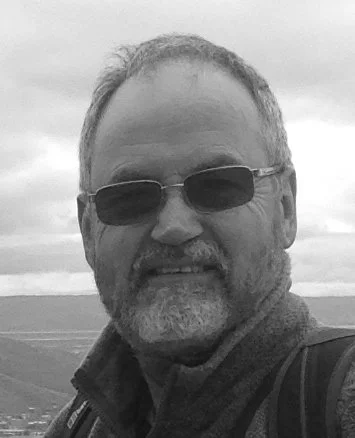
Tony is a highly-regarded Devon artist, who has exhibited widely across the Midlands and South West of England. A form Head of Art in Secondary School education, Tony retired early to return to studio work, focusing mainly on painting, printmaking and illustration. He runs workshops to widen access to art for adults.
His restless curiosity has led him to experiment with both form and theme. His work depicts both rural and urban landscapes, and he seeks, particularly, to capture the relationship between ordinary people and their environment.
Persistent themes across his work include the relationship between people and their landscapes across time, the survival of rural hinterlands in industrial and post-industrial times, the dignity of working people and social injustice.
Examples of some recent work can be seen at:
https://www.facebook.com/tonyhomerartist/?locale=en_GB
https://www.coroflot.com/tonyhomer
Elizabeth Jones
Michael Fairfax
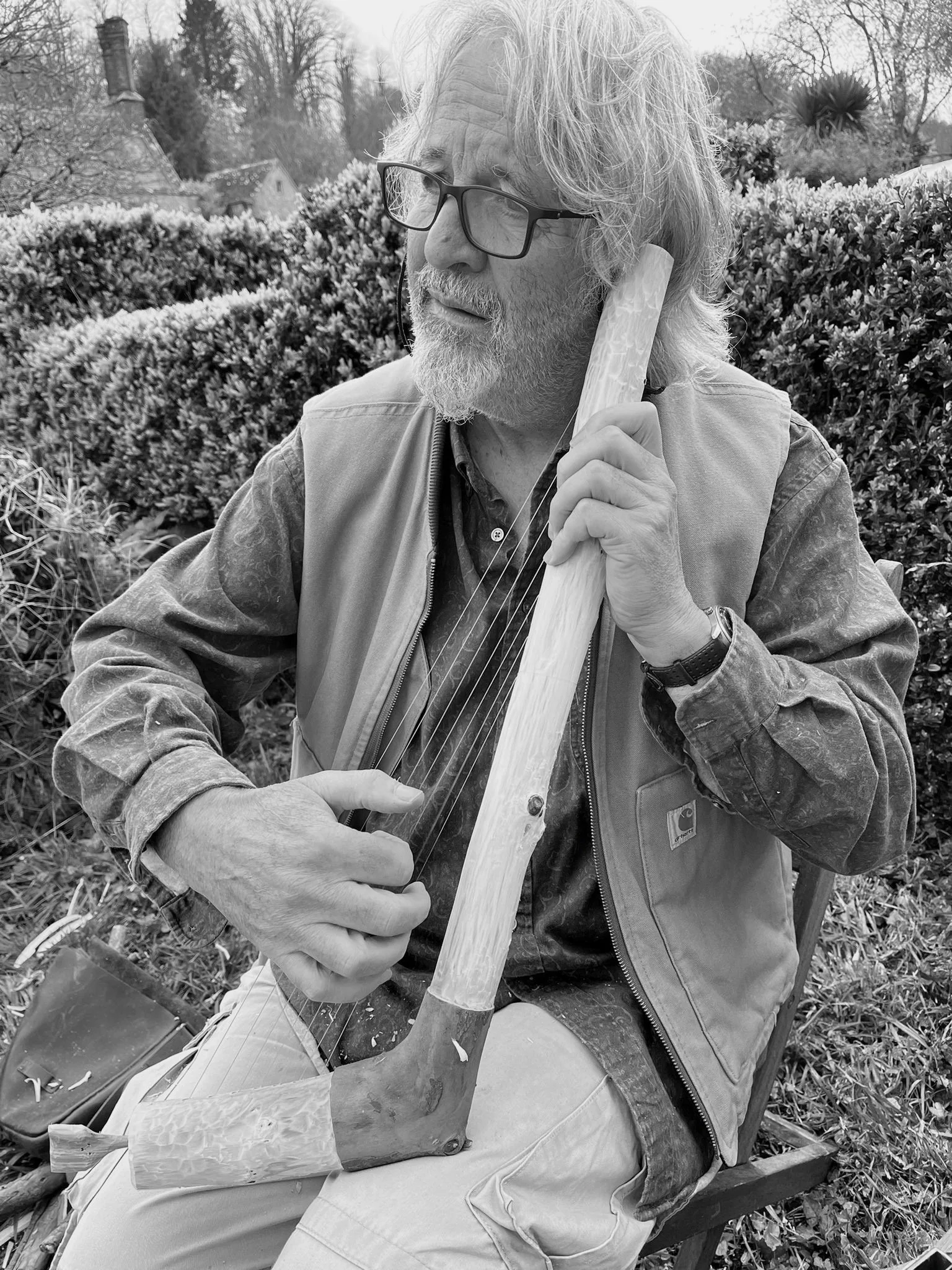
A Member of the Royal Society of Sculptors, Michael’s work includes celebrated public art such as Theatre Sculptor in Brecon, the Geoneedle at Orcombe Point and Exeter Riddle in High Street, Exeter. Michael has been engaged in numerous commissions and residencies across Britain. His work has been exhibited nationally and internationally.
Reflecting on his public works, Michael has said:
There are certain constants within my work, the use of light on and through the piece, the surface texture of the piece and, more recently, I have been using words/poems within the work. I like to create pieces that become the mythology of the future. I feel I am a child in a sweet shop; creativity means we can make or do anything. I love the diversity of dabbling, in sound, using lenses, using computers as well as the playfulness of sculpture …
More recently, Michael has diversified as an environmental artist and sound artist. Creating instruments from live trees and roots, he describes them as sculptural instruments that are amplified and distorted.
Examples of his work can be seen at:
https://www.instagram.com/michaellfairfax/
Martin Levinson
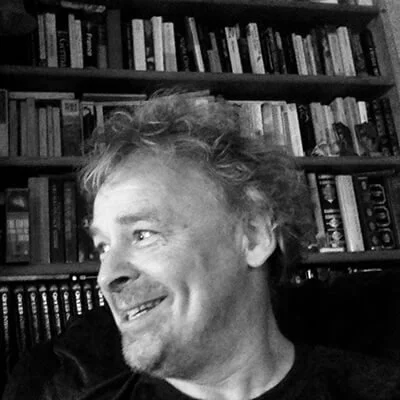
Martin is a writer and academic, who worked for many years at Exeter University. He is Emeritus Professor of Cultural Identities at Bath Spa University. He has been interviewed by Laurie Taylor on Radio 4’s Thinking Allowed and spoken twice at Ways with Words.
His research has been with marginalised communities. This has ranged from independent, ethnographic fieldwork with isolated communities to major research collaborations, such as the D4D project, a flagship AHRC initiative. See: https://d4d.org.uk/
Such work has been cited in Parliamentary papers, UK,
https://levi-m.com/
Avril Silk
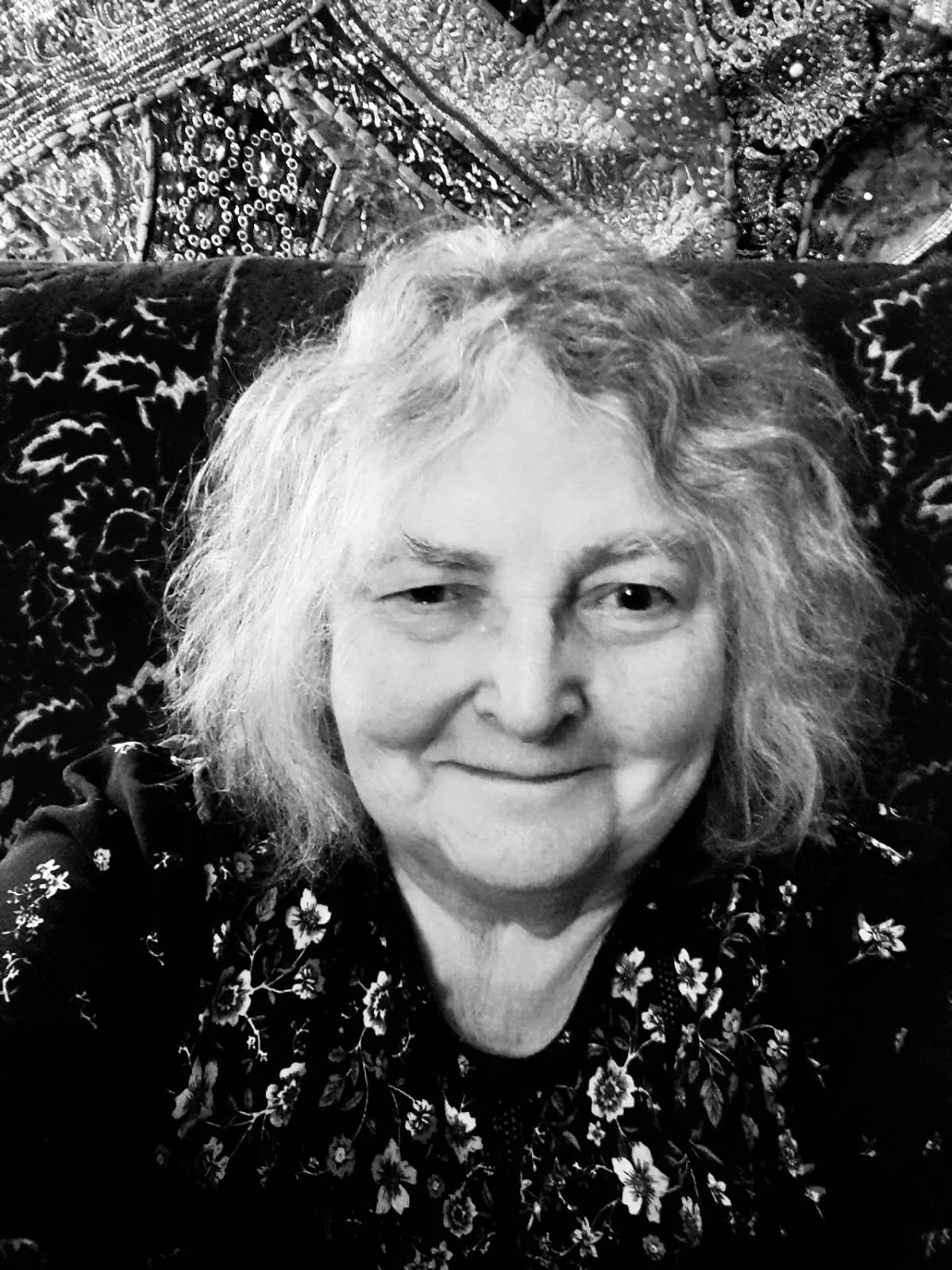
Avril is a leaded glass artist, enchanted by colour and light. Her work can be seen in fifteen Somerset schools. In collaboration with pupils and staff, she designed and made windows that reflect the joy of learning and community.
For twenty-five years she was a board member of Take Art, Somerset's rural arts initiative, and was a promoter of arts events in Kingsmead Community School and in her home village of Ashbrittle. Her artwork can be seen at www.avrilsrainbowglass.com
Avril is also a writer and has a particular passion for helping those on the margins find their voice and have their say. With Martin Levinson she wrote Dreams of the Road, telling the stories of the last generation of Somerset Gypsies to live and work on the road.
For ten years she was an editor and columnist with the feminist cooperative that produced Somerset's Just Women magazine.
Avril writes novels, plays and songs and runs creative writing courses. Her website www.avrilsilk.com. explores and celebrates her lifelong relationship with the written word.
Lorem ipsum dolor sit amet, consectetur adipiscing elit. Vestibulum id ligula porta felis euismod semper.